
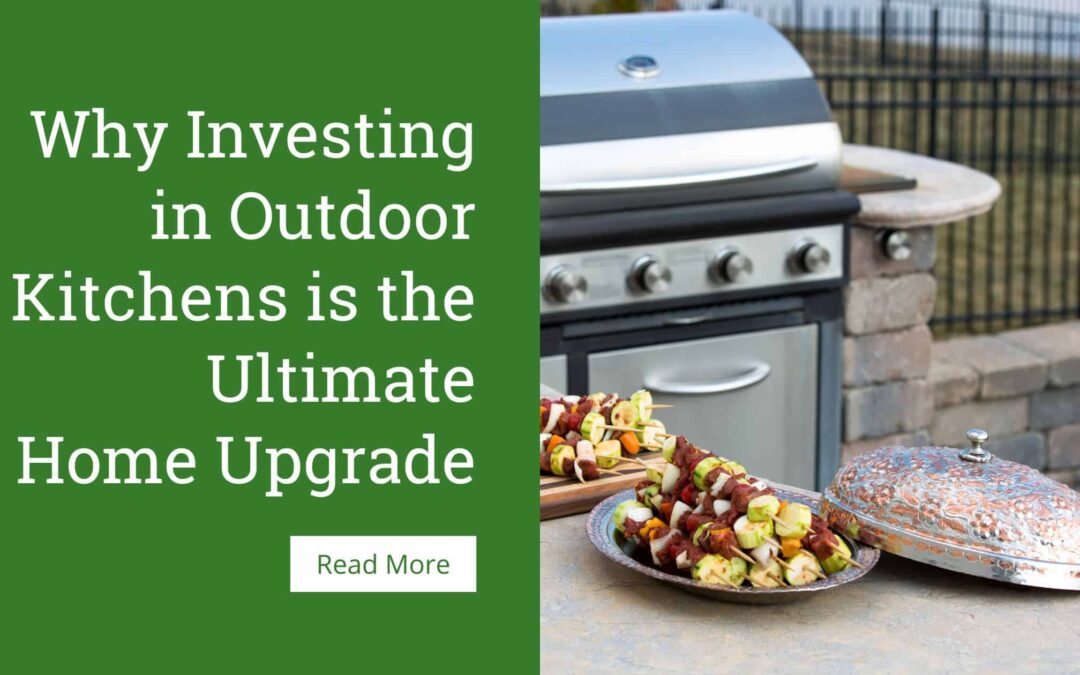
Picture this: the sun is setting, friends are gathering around your outdoor kitchen island, and you’re grilling fresh vegetables while sipping wine just steps away from your dining area. No more running back and forth between your indoor kitchen and backyard barbecue. No more missing out on conversations while you’re stuck inside preparing food.
Outdoor kitchens have evolved far beyond simple grilling stations. They’ve become sophisticated entertainment hubs that seamlessly blend cooking, dining, and socializing in one beautiful outdoor space. For homeowners looking to maximize their property’s potential and create lasting memories, an outdoor kitchen represents one of the smartest investments you can make.
This comprehensive guide explores why outdoor kitchens deliver exceptional value, how they compare to traditional indoor setups, and what you need to know before making this transformative upgrade.
The Compelling Benefits of Outdoor Kitchen Investment
Financial Returns That Make Sense
Exceptional Return on Investment
- Outdoor kitchens typically return 55-200% of their initial investment when selling your home
- Premium installations can increase property value by $10,000-$50,000 or more
- High-end outdoor kitchens in luxury markets often recoup their entire cost at resale
- Unlike many home improvements, outdoor kitchens appeal to a broad range of potential buyers
Reduced Indoor Energy Costs
- Cooking outdoors during hot months keeps your air conditioning from working overtime
- Average savings of $200-$400 annually on cooling costs during peak summer months
- Gas-powered outdoor appliances often cost less to operate than electric indoor equivalents
- Extended appliance lifespan indoors due to reduced usage and heat exposure
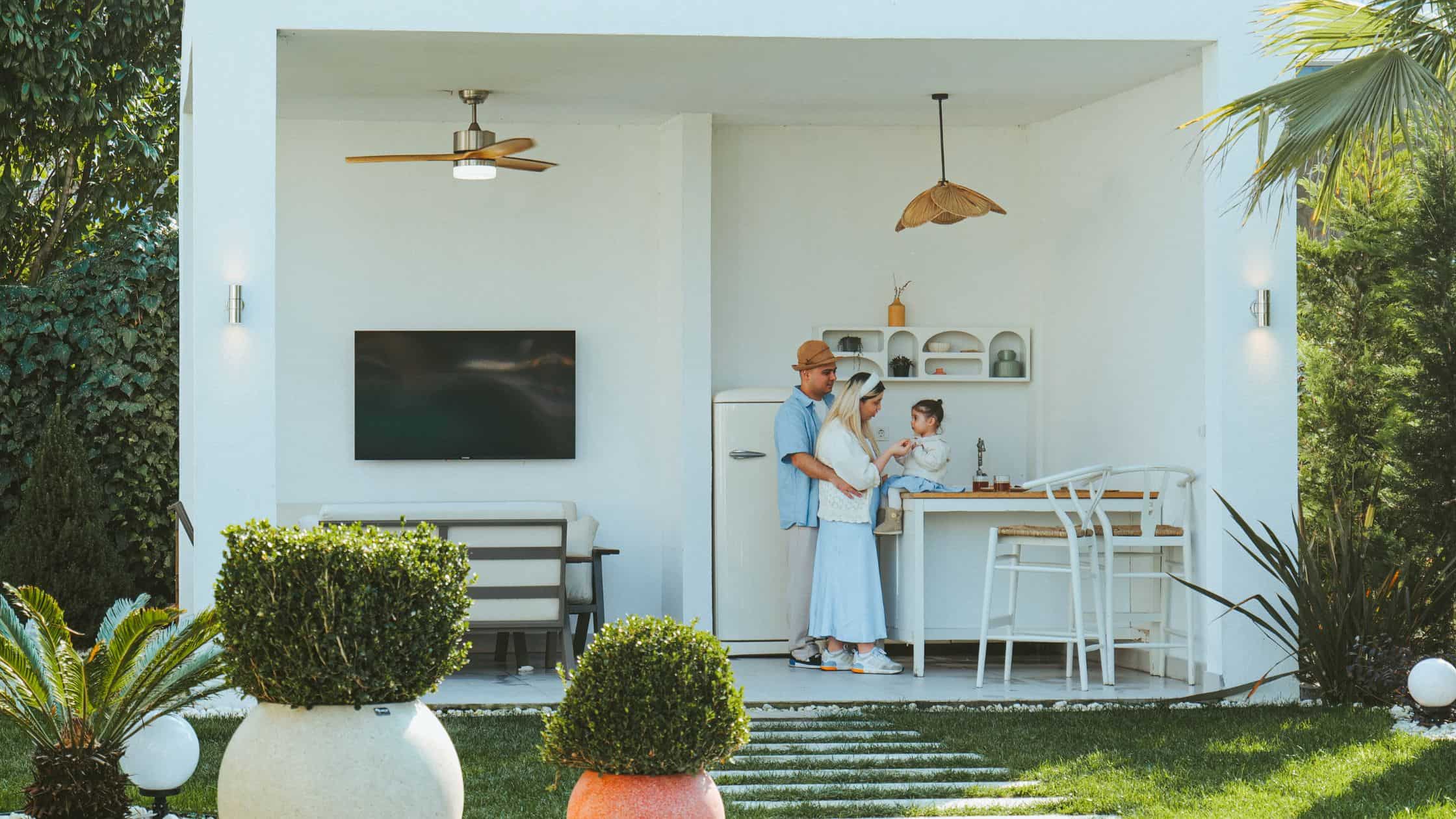
Entertainment and Lifestyle Enhancement
Transform Your Social Life
- Host larger gatherings without cramped indoor spaces limiting your guest count
- Create a natural flow between cooking and socializing that keeps you connected to guests
- Accommodate different entertainment styles, from casual barbecues to elegant dinner parties
- Provide year-round entertainment options in moderate climates
Superior Cooking Experiences
- High-BTU outdoor burners deliver restaurant-quality searing capabilities
- Smoke and cooking odors dissipate naturally without lingering in your home
- Access to specialized cooking methods like wood-fired pizza ovens and smokers
- Ample prep space and storage eliminate the back-and-forth trips to indoor kitchens
Health and Wellness Benefits
- Encourage outdoor dining and fresh air exposure for better physical and mental health
- Reduce indoor air pollution from cooking fumes and heat
- Create opportunities for more active entertaining and family time
- Support better work-life balance by designating outdoor spaces for relaxation
Practical Advantages
Expanded Living Space
- Effectively add square footage to your home without major construction
- Create defined outdoor zones for different activities and age groups
- Maximize property usage and enjoyment throughout warmer months
- Establish outdoor “rooms” that feel like natural extensions of your home
Customization and Flexibility
- Design layouts that perfectly match your cooking style and entertainment needs
- Integrate features impossible in indoor kitchens, such as pizza ovens and large smokers
- Choose from countless material options that complement your home’s architecture
- Scale installations to fit any budget, from basic setups to luxury outdoor chef stations
Indoor vs. Outdoor Kitchen Comparison
| Feature | Indoor Kitchen | Outdoor Kitchen |
| Initial Cost | $15,000-$50,000 average | $5,000-$100,000+ depending on features |
| Installation Time | 4-12 weeks | 2-8 weeks |
| Weather Protection | Complete protection | Requires covers/pavilions for year-round use |
| Appliance Options | Full range of electric/gas | Primarily gas, specialized outdoor models |
| Ventilation Requirements | Exhaust fans, range hoods | Natural air circulation |
| Storage Capacity | Extensive cabinet options | Weather-resistant storage solutions |
| Maintenance Frequency | Weekly cleaning | Seasonal deep cleaning, regular covers |
| Seasonal Usage | Year-round | Climate dependent (3-12 months) |
| Entertainment Value | Limited by space constraints | Seamless indoor/outdoor flow |
| Cooking Capabilities | Standard home appliances | High-heat grilling, smoking, wood-fired options |
| Utility Requirements | Existing connections | May require new gas/electric/water lines |
| Resale Appeal | Expected feature | Premium selling point |
Design Considerations for Maximum Impact
Essential Components
Core Appliances
The foundation of any outdoor kitchen starts with quality appliances designed for exterior use. Commercial-grade stainless steel construction withstands weather exposure while delivering professional performance. Built-in grills with multiple burners, side burners for sauces and sides, and refrigeration units create a fully functional cooking environment.
Weather-Resistant Materials
Natural stone, concrete, and marine-grade stainless steel provide durability and aesthetic appeal. These materials handle temperature fluctuations, moisture, and UV exposure without degrading. Proper material selection ensures your investment maintains its beauty and functionality for decades.
Strategic Layout Planning
The most successful outdoor kitchens follow the same work triangle principles as indoor designs. Position your grill, prep area, and refrigeration within easy reach of each other. Consider prevailing winds to keep smoke away from dining areas and neighbors’ properties.
Advanced Features Worth Considering
Specialized Cooking Equipment
Pizza ovens, smokers, and teppanyaki grills expand your culinary possibilities far beyond traditional grilling. These features often become the centerpiece of outdoor entertainment and can justify premium pricing when selling your home.
Climate Control Elements
Pergolas, awnings, and outdoor heaters extend your kitchen’s usable season. Misting systems provide relief during hot summer months, while fire features create ambiance and warmth for cooler evenings.
Smart Technology Integration
Wi-Fi enabled grills, automated lighting systems, and outdoor sound systems enhance convenience and entertainment value. These modern touches appeal to tech-savvy buyers and simplify outdoor entertaining.
Planning and Installation Process
Professional vs. DIY Considerations
When to Hire Professionals
Complex installations involving gas lines, electrical work, and permanent structures require licensed contractors. Professional installation ensures safety compliance, proper permits, and warranty protection. The expertise pays for itself through avoided mistakes and optimal functionality.
DIY-Friendly Elements
Simple grill islands, portable elements, and decorative features can often be handled by experienced DIYers. However, even confident homeowners should consult professionals for utility connections and structural elements.
Permitting and Regulations
Most outdoor kitchens require permits for electrical, plumbing, and gas work. Setback requirements, height restrictions, and fire safety codes vary by location. Research local regulations early in the planning process to avoid costly changes later.
Maintenance and Longevity
Seasonal Care Requirements
Spring Preparation
Inspect all components for winter damage, test gas connections, and clean appliances thoroughly. Replace any worn covers or seals before regular use begins.
Summer Maintenance
Regular cleaning prevents grease buildup and pest attraction. Cover appliances when not in use to protect from UV damage and weather exposure.
Winter Protection
Drain water lines in freezing climates, cover all appliances, and perform deep cleaning before storage. Proper winterization prevents expensive freeze damage.
Long-Term Investment Protection
Quality outdoor kitchens can last 15-25 years with proper maintenance. Factor ongoing care costs into your landscaping budget planning, typically $500-$1,500 annually depending on your installation’s complexity.
Frequently Asked Questions
What’s the average cost of a professional outdoor kitchen installation?
Outdoor kitchen costs range from $5,000 for basic setups to over $100,000 for luxury installations. Factors like appliance quality, materials, utilities, and labor significantly impact the final price. To stay within budget, focus on essentials first and plan for future upgrades. Many homeowners start small and expand over time.
How do outdoor kitchens perform in different weather conditions?
Properly designed outdoor kitchens withstand various weather conditions with durable materials like stainless steel, stone, and concrete. Covered installations handle rain well, while high-quality covers protect exposed appliances. Wind impacts cooking performance more than durability, and windscreens help maintain temperatures. Cold climates require freeze precautions, while hot climates benefit from shade and ventilation. Most outdoor kitchens function between 20°F and 120°F with minor adjustments for extreme conditions.
What appliances are essential versus nice-to-have?
Essential appliances like a built-in gas grill, side burners, and a small refrigerator form the backbone of an outdoor kitchen, covering basic cooking needs. Optional additions like pizza ovens, smokers, and outdoor dishwashers enhance functionality but come with higher costs. Choose appliances based on your cooking style—entertainers may need larger grills, while casual users can start simple and expand over time as needs grow. This approach balances cost and usability.
How much maintenance do outdoor kitchens require compared to indoor ones?
Outdoor kitchens require simpler daily maintenance than indoor kitchens, with easy cleaning and natural ventilation. Seasonal tasks, like deep cleaning and winterization, take 4-8 hours twice a year. Weekly upkeep during active seasons involves surface cleaning and appliance care. Weather protection, such as covers, reduces maintenance needs and extends equipment life. Overall, outdoor kitchens need slightly more maintenance than indoor ones, but the tasks are less frequent and straightforward.
Can outdoor kitchens be used year-round in colder climates?
With the right planning and equipment, outdoor kitchens can be used year-round, even in colder climates. Key modifications include cold-weather gas regulators, insulated gas lines, proper drainage, and wind protection. Comfort features like patio heaters, fire pits, and heated floors create a warm cooking environment. Many enjoy winter grilling as cooler temperatures make it easier to cook near hot grills. Preparation and the right gear are essential for making outdoor cooking enjoyable in any season.
What permits and regulations apply to outdoor kitchen installations?
Outdoor kitchen installations often require permits for electrical, plumbing, gas, and building work, as well as adherence to setback requirements and fire safety codes. HOA approvals may also apply, covering aesthetics and structure guidelines. Working with licensed contractors can simplify the process and ensure compliance. Start permitting early, as approvals can take 2-8 weeks, depending on the project complexity and location.
Making Your Outdoor Kitchen Dreams Reality
Outdoor kitchens are more than just a home improvement; they create new possibilities for entertaining, cooking, and enjoying your property. This investment is compelling for homeowners ready to transform their outdoor spaces, offering a combination of financial returns, an enhanced lifestyle, and pure enjoyment.
Success lies in careful planning, quality materials, and realistic expectations about maintenance and seasonal usage. Whether you’re dreaming of simple weekend grilling or elaborate outdoor dinner parties, the right outdoor kitchen design can make those visions reality while adding lasting value to your home.
Take time to research options, consult with professionals, and plan installations that match your lifestyle and budget. With proper execution, your outdoor kitchen will provide decades of cooking enjoyment and entertainment opportunities that extend far beyond the initial investment.
Recent Comments