
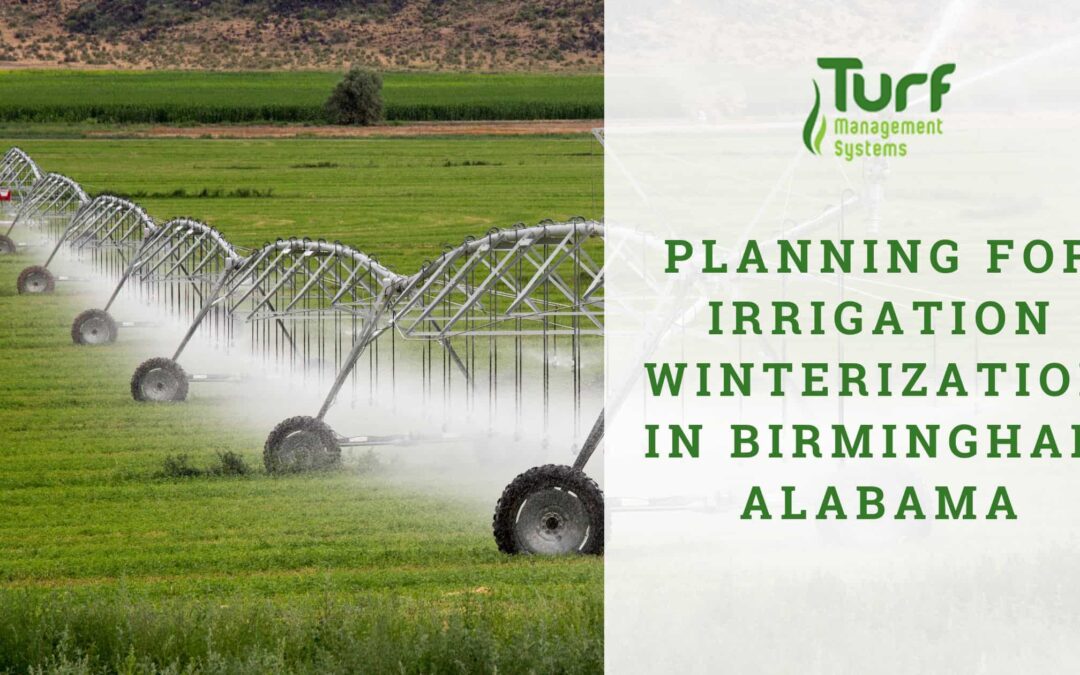
Dropping temperatures can spell disaster for unprotected pipes. Freezing water expands, cracking fixtures and destroying expensive lawn care equipment in a matter of hours. Taking the time to properly drain your setup protects your investment and keeps your property looking its best year-round.
Discover everything you need to know about protecting your outdoor water features in Alabama. We will explore how local climate factors affect your yard, compare different ways to clear out your lines, and explain why getting ready for freezing weather matters for your turf and soil.
Why Winterizing Your Birmingham Irrigation System Matters
Many homeowners assume the South stays warm enough to skip seasonal maintenance. Birmingham’s weather often brings sudden, sharp freezes overnight. When water stays inside your irrigation pipes during a deep freeze, the expanding ice causes severe damage to valves, sprinkler heads, and underground lines.
Proper sprinkler winterization protects the sensitive parts of your setup. Taking action before the first freeze saves you from costly repairs and keeps your grass and landscape safe. A damaged setup leaks water deep into the ground, turning healthy soil into a muddy mess that destroys your turf. Regular care ensures your yard thrives.
Evaluating Each Irrigation System’s Design
Not all setups work the same way. You must evaluate each irrigation system’s design to choose the right approach for maintenance. Some properties use drip lines for delicate gardens, while others rely on heavy-duty rotors for large expanses of grass.
Understanding your specific layout dictates how you remove the water. Complex systems require more time and specialized equipment to completely clear the lines.
How to Winterize: Drain Method vs. Blow-Out Method
You generally have two main options for removing water from your lines. The drain method uses gravity to pull water out through manual or automatic valves. The blow-out method uses compressed air to force water out of every sprinkler head and valve.
Here is a quick comparison of the two approaches:
| Feature | Drain Method | Blow-Out Method |
| Equipment Needed | Minimal (pliers, wrench) | Heavy-duty air compressor |
| Effectiveness | Moderate (leaves some moisture) | Highly effective (removes all moisture) |
| Risk of Pipe Damage | Low (if valves are open) | High (if air pressure is too high) |
| Best For | Simple setups on sloped ground | Complex, flat, or large properties |
| Skill Level | DIY friendly | Professional expertise recommended |
Protecting Your Irrigation Pipes
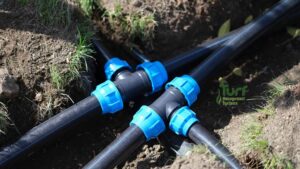 Your pipes remain the most vulnerable part of the entire network. Even a small amount of leftover moisture can cause tiny fractures that expand over time. Using the blow-out method typically provides the best protection against this unseen damage, ensuring your irrigation pipes stay intact through the coldest nights.
The Value of Professional Winterization Services
Handling this task yourself might seem like a good way to save money. Hiring experts for a winterizing service often prevents expensive mistakes. Professionals bring industrial-grade air compressors calibrated to the exact pressure needed for your specific setup.
A specialized sprinkler winterizing service guarantees all moisture leaves the lines without blowing off sprinkler heads. When you invest in a proper winterization service, you buy peace of mind. Experts spot minor issues before they become major leaks, providing comprehensive winterization irrigation support that extends the life of your equipment.
When to Schedule Your Sprinkler System Winterization
Timing matters when dealing with freezing temperatures. You should schedule your sprinkler system winterization before Thanksgiving. Waiting too long exposes your property to early frost damage. Keep an eye on the forecast and book your winterization services well in advance, as local professionals fill their calendars quickly in the fall.
 Looking Ahead: Spring Sprinkler Preparation
Taking care of your setup in the fall makes spring recovery much easier. When warmer weather returns, your system will be ready to hydrate your gardens and lawn without requiring massive repairs.
A thorough winterize process means fewer broken heads and cracked pipes later. By correctly putting your equipment to sleep for the winter, performing seasonal startup services becomes a simple task of turning the water back on and running a basic zone test. Proper preparation now leads to a lush, green yard later.
FAQs About Irrigation Winterization
 What happens if I forget about sprinkler winterization in Birmingham?
If you skip this step, trapped water will freeze and expand. This bursts pipes, cracks valves, and ruins sprinkler heads, leading to expensive repairs next season.
Can I use my home air compressor for a blow-out?
Most home air compressors lack the necessary volume (CFM) to push water through long lines effectively. Using them often leaves water behind or damages the system if the pressure (PSI) is set too high.
Do I need a sprinkler winterizing service if I have automatic drain valves?
Automatic drain valves remove a lot of water, but they often leave small amounts in low spots. A professional winterization irrigation check ensures complete moisture removal.
How long does the winterization process take?
For an average residential yard, the process usually takes less than an hour. Larger properties with multiple zones will require more time.
Does winterizing protect my soil and grass?
Yes. Broken underground pipes create hidden leaks that wash away nutrients and drown plant roots. Preventing these leaks protects your entire landscape.
Taking proactive steps to winterize your yard saves money and frustration. Review your layout, consider the local climate, and make a plan to protect your equipment before the freezing weather arrives.
Recent Comments