

A thriving landscape does more than just boost your home’s curb appeal; it creates a living, breathing extension of your home. While a green lawn sets the stage, your shrubs and plants add the crucial layers of texture, color, and structure. Keeping these valuable assets healthy is not just a seasonal task; it requires consistent care throughout the year.
We understand that maintaining vibrant plant life can feel like a complex job. That’s why we’ve put together this guide to break down the essential year-round practices. We’ll walk you through the core elements of plant care, from watering and feeding to pruning and pest control, giving you the practical tips needed to help your garden flourish in every season.
Understanding the Fundamentals of Plant Health
Just like any living thing, plants have basic needs that must be met to thrive. Before diving into seasonal specifics, it’s important to have a solid grasp of the foundational pillars of plant care. Getting these right will solve most common garden problems before they even start.
The Right Plant in the Right Place
Success often begins with selection. Choosing plants suited to your local climate and specific yard conditions is the most important step you can take. A shade-loving hosta will struggle in direct sun, while a sun-worshipping rose will fail to bloom in deep shade. Consider your area’s light, soil type, and moisture levels before you plant. This single decision can make the difference between a plant that thrives with minimal effort and one that constantly struggles.
Proper Watering is Key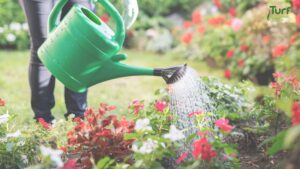
Water is life, but too much or too little can be detrimental. The goal is to provide consistent moisture without waterlogging the soil. Most established shrubs and plants prefer deep, infrequent watering over shallow, daily sprinkles. This encourages roots to grow deeper into the soil, making them more resilient to drought. A good rule of thumb is to check the soil a few inches below the surface; if it’s dry, it’s time to water. Container plants will require more frequent watering, as they dry out much faster than those in the ground.
Feeding Your Plants: The Role of Fertilization
Soil provides many nutrients, but over time, plants can deplete them. Fertilization replenishes these essential elements, promoting strong growth, vibrant foliage, and abundant flowers.
- Know When to Fertilize: The best time to feed most shrubs and plants is during their active growing season, typically in the spring and early summer. Avoid fertilizing dormant plants in the fall and winter, as this can encourage weak growth that is vulnerable to cold damage.
- Choose the Right Fertilizer: Different plants have different needs. A balanced, slow-release granular fertilizer is a great general-purpose choice for many shrubs and perennials. Flowering plants may benefit from a formula higher in phosphorus to encourage blooms.
- Follow the Instructions: More is not better when it comes to fertilizer. Over-fertilizing can burn plant roots and damage the soil. Always follow the application rates on the product label.
 Seasonal Care for Year-Round Vibrancy
Your garden’s needs change with the seasons. Adjusting your care routine accordingly will ensure your plants stay healthy and prepared for the conditions ahead. Think of it as a partnership with nature, where you provide support as the environment shifts.
Spring: A Time for Growth and Preparation
As the weather warms, your plants wake from dormancy and begin a period of rapid growth. This is a critical time to set them up for success. Start by clearing away any dead leaves or debris from around the base of your plants to improve air circulation and discourage pests. This is also the ideal time for applying a slow-release fertilizer to provide a steady supply of nutrients for the growing season ahead. Inspect your plants for any winter damage and prune away broken or dead branches to make way for healthy new growth.
Summer: Maintaining Health in the Heat
Summer brings heat and, often, periods of drought, which can put plants under stress. The primary focus during these months is hydration. Water deeply in the early morning to minimize evaporation and allow moisture to soak into the soil before the sun is at its peak. Applying a 2-3 inch layer of mulch around the base of your plants is one of the best things you can do. Mulch helps retain soil moisture, keeps roots cool, and suppresses weed growth. Continue to monitor for pests and diseases, which can thrive in warm, humid conditions.
Autumn: Preparing for the Winter Ahead
As temperatures cool, your plants begin to transition toward dormancy. Your focus should now shift from encouraging new growth to preparing them for the cold months. Reduce watering as plant growth slows. This is a great time to plant new shrubs and perennials, as the warm soil and cool air provide ideal conditions for root establishment. It’s also the time for a final cleanup. Rake fallen leaves and remove spent annuals to prevent pests and diseases from overwintering in your garden beds.
Winter: The Period of Rest
For many plants, winter is a time of dormancy. While they may not be actively growing, they still need protection. For tender perennials or newly planted shrubs in colder zones, adding an extra layer of mulch can help insulate roots from freezing temperatures. Check for damage after winter storms and prune broken branches to prevent further harm. For evergreen shrubs, heavy snow can bend or break branches, so gently brush it off when possible.
Pruning vs. Trimming: What’s the Difference?
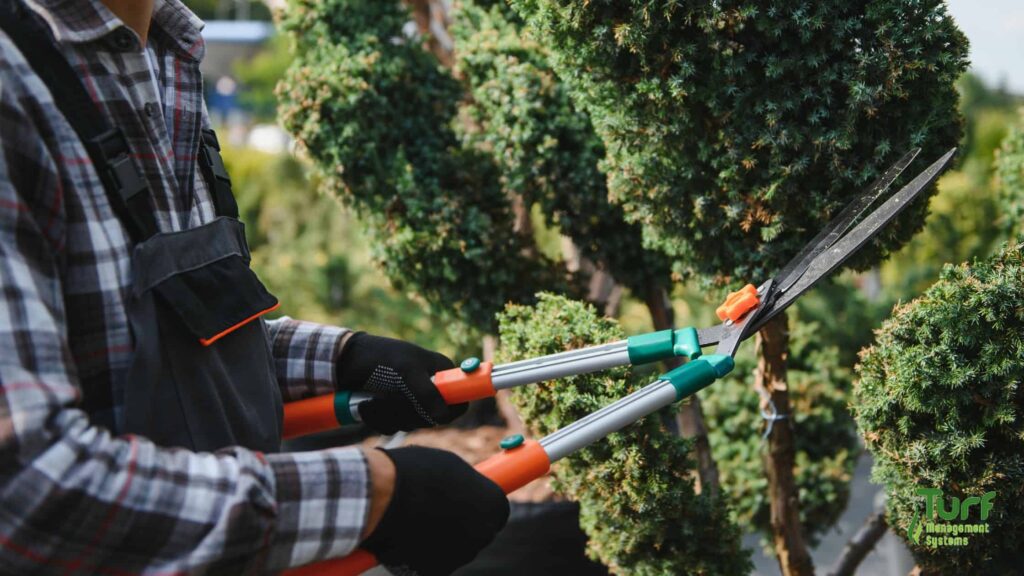
The terms “pruning” and “trimming” are often used interchangeably, but they serve different purposes. Understanding the distinction is key to proper plant care. Trimming is generally about shaping and maintaining the desired size of a plant, like shearing a hedge into a formal shape. Pruning is more strategic, focused on the long-term health and structure of the plant.
| Feature | Strategic Pruning | General Trimming/Shearing |
| Primary Goal | Improve plant health, structure, and safety. | Maintain shape, size, and neatness. |
| Technique | Selective removal of specific branches (dead, diseased, crossing). | Non-selective cutting of outer growth. |
| Impact | Promotes air circulation and strong structure. | Creates a dense outer layer of foliage. |
| Best For | Most flowering shrubs, trees, and perennials. | Formal hedges and topiaries. |
| Timing | Specific to the plant species (e.g., after flowering). | Can be done several times during the growing season. |
Proper pruning involves selectively removing dead, diseased, or crossing branches to improve air circulation and light penetration into the plant’s canopy. This not only makes the plant healthier but also encourages better flowering and fruiting.
Frequently Asked Questions (FAQs)
How do I know if I’m overwatering or underwatering my plants?
An underwatered plant will have wilting, dry, and often yellowing leaves. The soil will be dry to the touch. An overwatered plant can also have wilting, yellow leaves, but they will feel soft and limp, not dry. The soil will be soggy, and you may notice a musty smell from root rot. The best way to know is to check the soil a few inches down before watering.
What are the common signs of pests on my shrubs?
Look for visible insects, holes in leaves, sticky residue (known as honeydew), yellow or distorted foliage, and fine webbing on the plant. Common culprits include aphids, spider mites, and scale insects. Identifying the pest early is key to effective management.
When is the best time to prune my flowering shrubs?
A general rule is to prune spring-flowering shrubs (like forsythia and lilac) right after they finish blooming. This gives them time to develop buds for the next year. Prune summer-flowering shrubs (like crape myrtles and roses) in late winter or early spring before new growth begins.
Is mulch really that important?
Yes, absolutely. A 2-3 inch layer of organic mulch is one of the most beneficial things you can do for your plants. It conserves soil moisture, suppresses weeds, regulates soil temperature, and enriches the soil as it breaks down. Just be sure to keep it a few inches away from the main stem or trunk to prevent rot.
Can I move a shrub that’s in the wrong spot?
Yes, but timing is important. The best time to transplant most shrubs is in the fall or early spring when the plant is dormant and the weather is cool. This minimizes stress and allows the roots to get established in the new location before the heat of summer or the deep cold of winter sets in. Be sure to dig a wide root ball to take as many roots as possible with the plant.
Recent Comments