
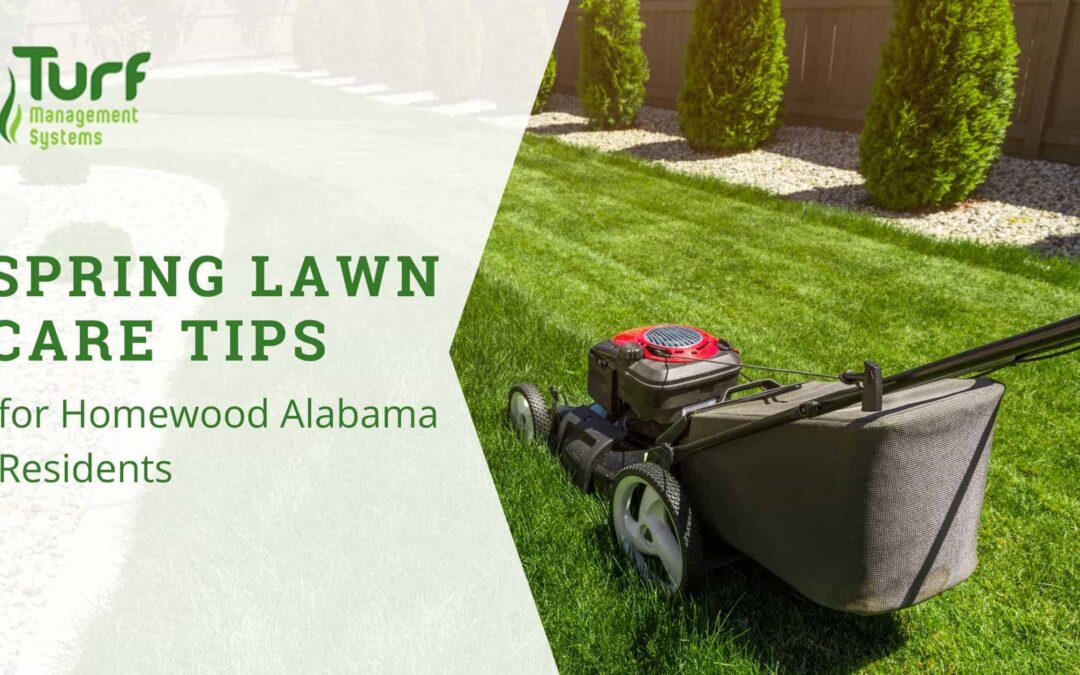
Warmer days are rolling into Homewood, and your lawn is waking up from its winter rest. After months of cool temperatures, your turf needs the right care to bounce back green, thick, and healthy. Spring lawn care sets the tone for everything that follows through summer, so a little effort now pays off for months.
This guide walks you through practical Alabama lawn care tips built for central Alabama yards. You’ll learn how to mow correctly, when to fertilize, how to handle weed control, and which steps protect your turfgrass from common problems. Let’s get your lawn ready for the season.
Why Spring Lawn Care Matters in Central Alabama
Homeowners around Birmingham and Homewood deal with warm-season grasses like Bermuda, Zoysia, and Centipede. These grasses go dormant in winter and green up as soil temperatures climb. Spring is the window when your lawn rebuilds its root system and stores energy for the heat ahead.
Skip the early work, and you’ll fight weeds, thin spots, and disease all summer. Get it right, and your turf becomes more drought-resistant, fuller, and easier to maintain. The payoff is real, and the steps are simple once you know the order.
Clear Dead Grass and Debris First
Before you mow or fertilize anything, give your lawn a clean slate. Winter leaves behind dead grass, fallen branches, leaves, and matted thatch that block sunlight and trap moisture.
Start with a light rake to lift and clear dead grass from the surface. Pick up branches, twigs, and any leftover leaf litter that piled up over the cold months. This step improves airflow and helps new growth push through without resistance.
Key idea: A clean lawn lets sunlight, water, and nutrients reach the soil where your grasses need them most.
Quick spring cleanup checklist:
- Rake out dead grass and loose thatch
- Remove branches, sticks, and debris
- Clear leaf piles from corners and fence lines
- Check for bare or compacted spots that need attention
Test the Soil Before You Fertilize
Guessing what your lawn needs wastes time and money. A soil test tells you exactly what’s happening below the surface, including pH levels and nutrient gaps.
You can grab a soil test kit from your local extension office or a garden center near Birmingham. Results show whether your lawn needs more nitrogen, lime to adjust acidity, or other nutrients. Alabama soil often runs acidic, so testing helps you correct that before it limits growth.
Once you know your numbers, you can pick the right fertilizer instead of throwing products at the problem and hoping for the best.
 How to Mow Without Damaging Your Lawn
Mowing seems simple, but small mistakes add up fast. The goal is clean cuts that help your turf, not stress it.
First, make sure mower blades are sharp. Dull blades tear and shred grass, which leaves ragged edges that invite disease spread and brown tips. Sharp blades slice cleanly and help you avoid tearing grass.
Wait until the grass is dry before you mow. Cutting wet grass causes clumps that smother the lawn and clog your mower. Dry conditions let clippings spread evenly so you avoid clumps and get a tidy finish.
Follow these mowing basics:
- Sharpen or replace your mower blades early in the season
- Mow only when the grass is dry
- Never remove more than one-third of the blade height at once
- Leave light clippings on the lawn to return nitrogen to the soil
Setting the Right Mowing Height
Cutting height matters more than most people think. Scalping your lawn too short weakens the roots and opens the door for weeds.
Each warm-season grass has its own ideal range. Mowing at the correct height keeps your turf dense and shaded, which naturally crowds out weeds and protects the soil from drying out.
| Grass Type | Ideal Mowing Height | Best For Homewood Lawns |
| Bermuda | 1 to 2 inches | Full sun, high traffic |
| Zoysia | 1 to 2.5 inches | Sun to light shade, dense turf |
| Centipede | 1.5 to 2 inches | Low maintenance, acidic soil |
| St. Augustine | 2.5 to 4 inches | Shadier yards, warm areas |
Start the season on the lower end of the range, then raise the height slightly as summer heat arrives. Taller grass shades the soil and holds moisture during dry stretches.
When and How to Fertilize Your Lawn
Timing your fertilizer makes a big difference. Apply it too early, before your grass fully greens up, and you feed weeds instead of turf.
Wait until your warm-season grasses are about 50% green and actively growing, usually mid to late spring in central Alabama. Choose a fertilizer with the right nitrogen balance based on your soil test results. Nitrogen drives green, leafy growth, but too much at once can stress the lawn and increase disease risk.
Spread fertilizer evenly and water it in lightly afterward. Even coverage prevents streaking and burn spots, giving your lawn steady, balanced nutrition for the season.

Weed Control That Actually Works
Weeds compete with your grass for water, sunlight, and nutrients. The smartest move is stopping them before they sprout.
Apply a pre-emergent herbicide in early spring, before soil temperatures hit the level where weed seeds germinate. This creates a barrier that blocks crabgrass and other annual weeds from taking hold. Timing is everything here, so don’t wait until you see weeds popping up.
For weeds that have already broken through, spot-treat with a post-emergent product made for your grass type. Healthy, properly mowed turf is your best long-term weed control, since thick grass leaves little room for invaders.
Common weed control mistakes:
- Applying pre-emergent too late in the season
- Using the wrong herbicide for your grass type
- Mowing too short, which weakens turf and invites weeds
- Skipping follow-up treatments for stubborn spots
Building a Simple Spring Lawn Maintenance Routine
Consistent lawn maintenance beats occasional bursts of effort. A steady routine keeps your turf strong from spring into summer without overwhelming your weekends.
Walk your lawn weekly to spot trouble early, whether it’s thinning grass, pooling water, or signs of disease. Adjust your watering as temperatures climb, aiming for deep, infrequent watering that encourages roots to grow down rather than staying shallow.
Pair regular mowing with seasonal feeding and weed checks, and your lawn care stays manageable all year. Small, regular steps protect your investment and keep your yard looking its best.
Frequently Asked Questions
When should I start mowing my lawn in Homewood, Alabama?
Start mowing once your warm-season grasses begin actively growing and greening up, usually in mid-spring. Make sure mower blades are sharp and wait until the grass is dry to get clean cuts and avoid clumps.
Do I really need a soil test before fertilizing?
Yes. A soil test shows your pH and nutrient levels so you can choose the right fertilizer. Central Alabama soil often runs acidic, and testing helps you correct it before it limits your lawn’s growth.
When should I apply a pre-emergent herbicide?
Apply a pre-emergent herbicide in early spring, before soil temperatures rise enough for weed seeds to germinate. Acting early stops crabgrass and other annual weeds before they start.
What’s the best mowing height for my grass?
It depends on your grass type. Bermuda does well at 1 to 2 inches, while St. Augustine prefers 2.5 to 4 inches. Start lower in spring and raise the height as summer heat sets in to protect the soil.
- How do I prevent disease spread in my lawn?
Mow with sharp blades, cut only when the grass is dry, and avoid heavy clumps of clippings. Proper mowing height and balanced nitrogen levels also keep your turf strong and less prone to disease.
Get Your Lawn Ready for the Season
Spring lawn care comes down to a clear sequence: clear dead grass and branches, test your soil, mow with sharp blades at the right height, fertilize on time, and apply weed control early. Follow these steps, and your Homewood lawn will reward you with thicker, greener, healthier turf through summer.
Start with the cleanup and soil test this week, then build out your mowing and fertilizing schedule from there. Your future lawn starts with the work you do right now, so grab your rake and get going.
Recent Comments