
A lush, green lawn is often the centerpiece of a home’s curb appeal. It’s a space for family gatherings, a play area for children, and a source of personal pride. Many homeowners who want a perfect lawn face a common dilemma. Should they handle the lawn care themselves or hire a professional service?
The Do-It-Yourself (DIY) route seems like a straightforward way to save money. However, a closer look reveals a variety of hidden costs, both financial and non-financial, that can make the professional option more attractive than it first appears. This post will explore the true costs associated with each approach to help you make a fully informed decision for your property.
The Financial Costs of DIY Lawn Care
 The most obvious appeal of DIY lawn care is the perceived savings. By cutting out the middleman, you are only paying for materials, right? Unfortunately, it’s not that simple. The expenses can accumulate quickly, often surpassing what homeowners initially budget for.
Equipment and Tools
The first major outlay is for equipment. A basic push mower might seem sufficient, but a truly well-maintained lawn requires a small arsenal of tools.
- Mower: A reliable lawn mower is the cornerstone of any lawn care routine. Costs can range from a few hundred dollars for a basic push mower to several thousand for a riding mower, which is often necessary for larger properties.
- Trimmer and Edger: To achieve those clean, sharp lines along walkways, driveways, and garden beds, you will need a string trimmer and an edger.
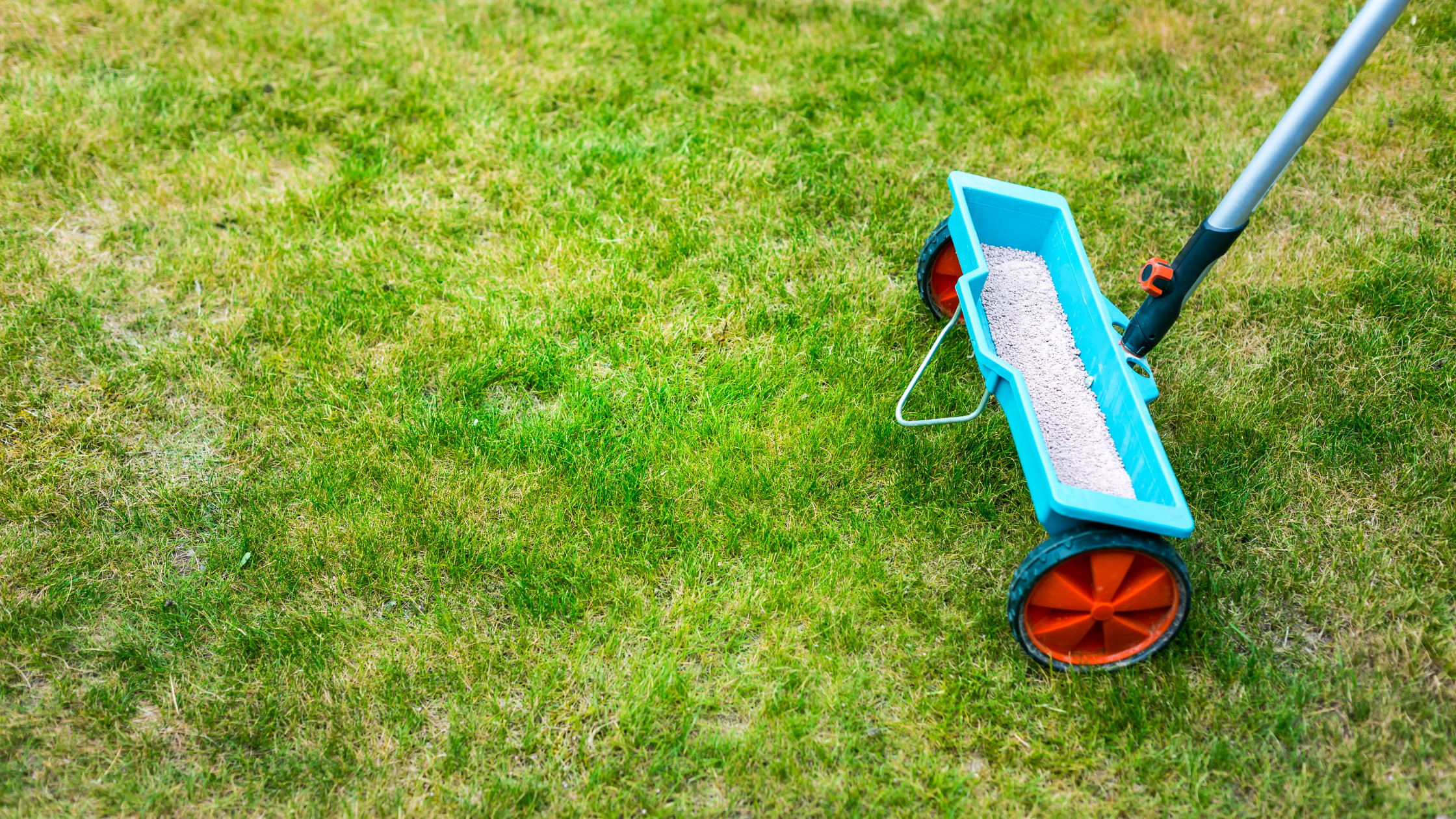
- Spreader: A broadcast or drop spreader is essential for applying fertilizer, seed, and pest control products evenly. Uneven application can lead to a patchy, discolored lawn.
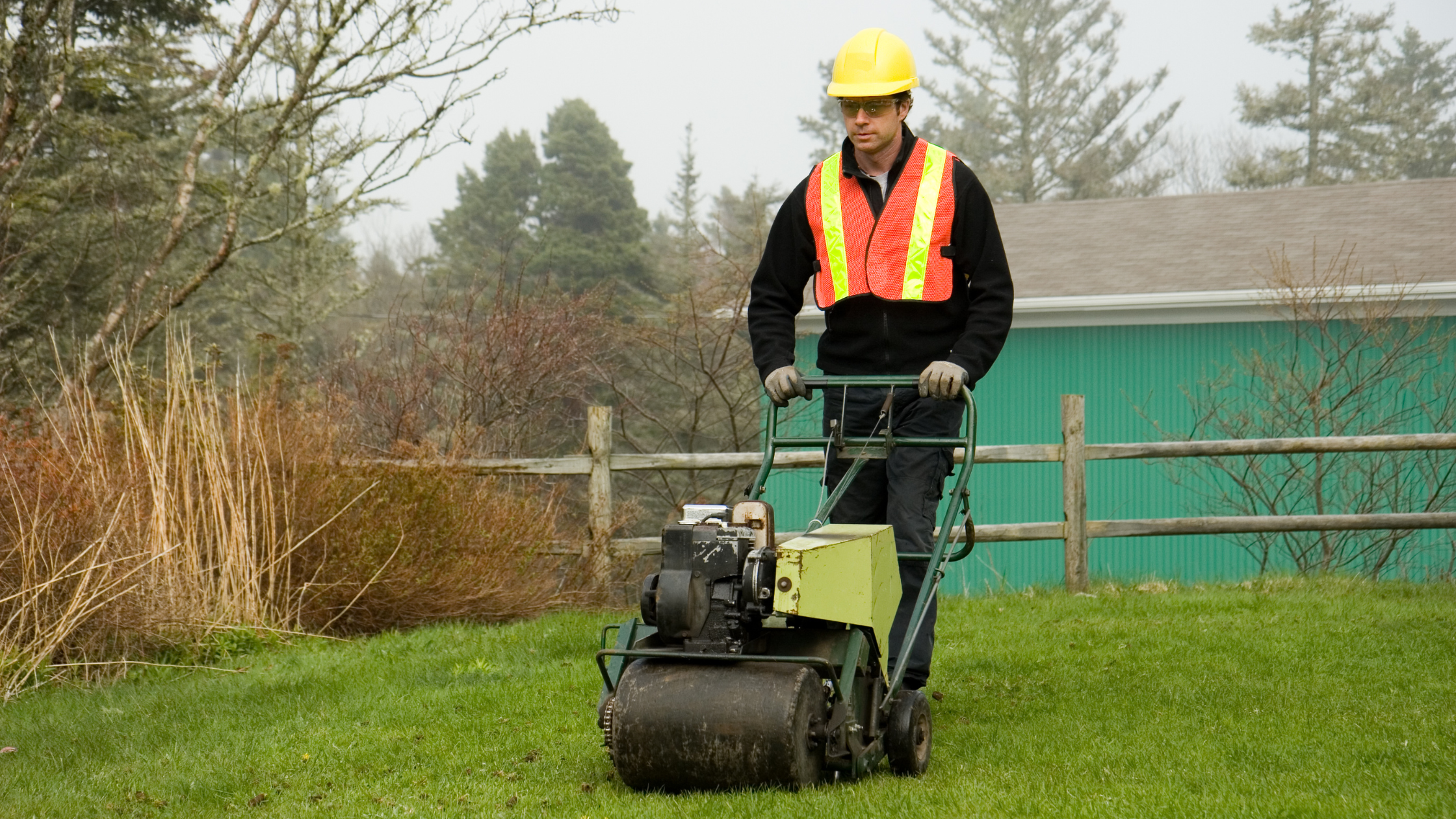
- Aerator: Core aeration is vital for reducing soil compaction and allowing water, air, and nutrients to reach the grassroots. Renting an aerator can be costly and inconvenient, while purchasing one represents a significant investment.
Beyond these primary tools, you’ll also need rakes, shovels, gloves, and safety goggles. These initial purchases can easily add up to a substantial sum before you’ve even started the work.
Ongoing Material and Maintenance Costs
The spending doesn’t stop after the initial equipment purchase. Your lawn is a living ecosystem that requires continuous input and upkeep. You will need to budget for fertilizers tailored to different seasons, grass seed for overseeding bare patches, and treatments for weeds, pests, and diseases. The cost of high-quality products can be considerable, and using cheaper alternatives often yields poor results.
Lawn care equipment also needs regular upkeep. Mower blades need sharpening, oil needs changing, and spark plugs require replacement. These tasks aren’t free. You’ll either pay for parts yourself or pay for professional servicing if you’re not mechanically inclined.
The Non-Financial Costs of DIY Lawn Care
Perhaps more significant than the financial investment are the non-financial costs. These “hidden” expenses relate to your time, physical effort, and the steep learning curve involved in effective turf management.
The Time Commitment
Your time is valuable. A well-maintained lawn demands consistent attention, often on a weekly basis during the growing season. Mowing, trimming, weeding, and watering can consume several hours of your weekend. When you add seasonal tasks like aeration, fertilization, and leaf removal, the time commitment grows even larger. This is time that could be spent with family, pursuing hobbies, or simply relaxing. For many busy homeowners, sacrificing precious free time becomes the highest price they pay for a DIY lawn.
Physical Effort and Risk
Lawn care is hard physical work. Operating heavy machinery, hauling bags of fertilizer, and spending hours in the sun can be exhausting and even risky. The potential for back strain, heat exhaustion, or injuries from equipment is real. For those with physical limitations or health concerns, the demands of DIY lawn care can be a significant barrier.
The Cost of Mistakes
Expertise in lawn care is not acquired overnight. There is a science to creating and maintaining a healthy lawn, involving knowledge of soil types, grass species, and local climate conditions. A lack of expertise can lead to costly mistakes.
- Over-fertilizing: Applying too much fertilizer can “burn” your lawn, causing widespread damage that is difficult and expensive to repair.
- Improper Watering: Watering too frequently or too shallowly encourages weak root systems, making the grass susceptible to drought and disease.
- Misdiagnosing Problems: Is that brown patch due to fungus, grubs, or drought stress? The wrong diagnosis leads to the wrong treatment, wasting money and allowing the real problem to worsen.
Correcting these errors often involves more time, more money, and in some cases, starting over with new sod or extensive reseeding. This is a cost that could have been avoided with professional guidance.
The Benefits of Hiring a Professional
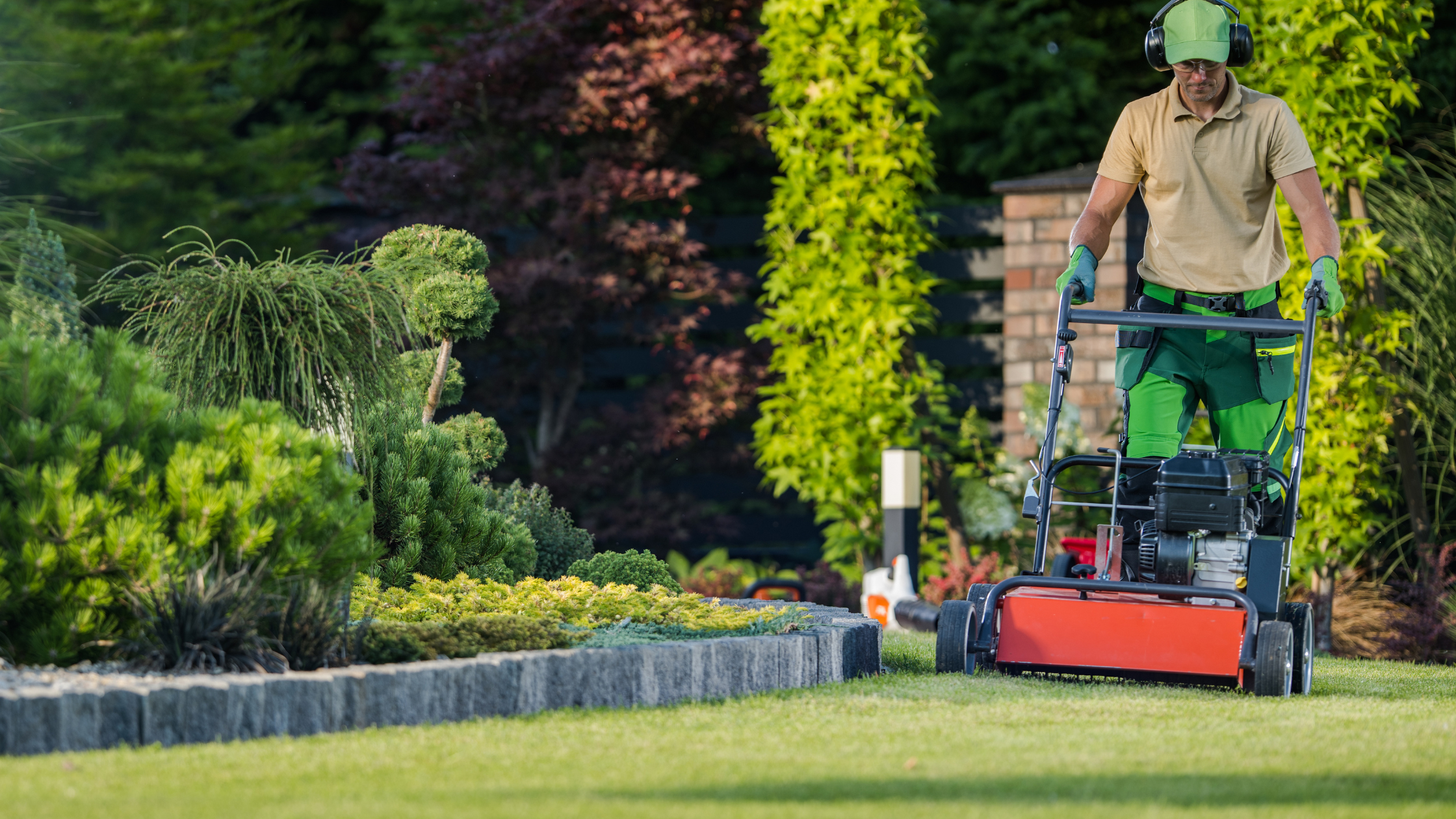 While hiring a service involves a regular fee, it offers numerous benefits that often provide a greater overall value.
Expertise and Experience
Professional lawn care companies in Birmingham bring a wealth of knowledge to your property. They understand the specific needs of your local environment, from the right type of grass to the most common pests and diseases in your area. This expertise allows them to create a customized treatment plan that delivers consistent, high-quality results. They can diagnose problems accurately and apply the correct treatments effectively, saving you from the trial-and-error process.
Time Savings and Convenience
This is perhaps the most significant benefit for many homeowners. Handing over lawn care responsibilities frees up your weekends. Instead of spending Saturdays pushing a mower, you can enjoy your outdoor space. A professional service operates on a reliable schedule, ensuring your lawn receives the care it needs without you having to lift a finger.
Access to Professional-Grade Equipment and Products
Professional services use commercial-grade equipment and products that are often more effective than what is available to the average consumer. Their machinery is powerful and well-maintained, and the fertilizers and treatments they use are typically of a higher quality, designed for maximum impact.
Potential Downsides of Hiring a Professional
Of course, hiring a service isn’t without its potential drawbacks. The most obvious is the recurring cost. A monthly or seasonal contract is a line item in your budget that you wouldn’t have with a DIY approach. It is also essential to find a reliable and reputable company. A poor-quality service can leave you with subpar results and the frustration of having paid for a job not well done. Finally, some homeowners enjoy the hands-on process and feel a loss of personal control when they hand the reins over to someone else.
Comparison Table: DIY vs. Professional Lawn Care
To provide a clearer picture, this table compares the two approaches across several key factors.
| Feature | DIY Lawn Care | Professional Lawn Care |
| Initial Cost | High. Requires significant investment in mower, trimmer, spreader, aerator, and other tools. | Low to none. The service provider uses their own equipment. Some may require a setup fee or first-month payment. |
| Ongoing Costs | Variable. Includes fuel, equipment maintenance, fertilizer, seed, and pest/disease control products. | Fixed and predictable. Based on a contract for specific services over a set period. |
| Time Commitment | High. Requires several hours per week for mowing, trimming, and maintenance, plus seasonal tasks. | Very Low. Your time is freed up completely. The service handles all scheduled tasks. |
| Expertise Required | High. Requires knowledge of horticulture, soil science, and proper application techniques to avoid mistakes. | None. You rely on the provider’s professional expertise and experience. |
| Quality of Results | Variable and often inconsistent. Depends heavily on skill, effort, and the quality of products used. | Consistent and high-quality. Professionals use proven methods and products to achieve a healthy, attractive lawn. |
| Convenience | Low. Requires personal planning, physical labor, and ongoing management of tasks and supplies. | High. The service is automated and reliable, requiring no effort on your part. |
Frequently Asked Questions (FAQs)
- Is it really cheaper to do my own lawn care?
In the short term, and for very small lawns with minimal needs, it might be. However, when you factor in the cost of quality equipment, materials, and the potential expense of correcting mistakes, hiring a professional can often be more cost-effective over the long term. The value of your time is also a major consideration. - How do I choose a reliable professional lawn care service?
Look for companies with a strong local reputation, positive online reviews, and proper licensing and insurance. Ask for a detailed, written estimate that outlines exactly what services are included. A good company will be happy to answer your questions and provide a clear plan for your property. - Can I do a hybrid approach—some DIY, some professional?
Absolutely. Many homeowners choose this path. For example, you might handle the weekly mowing yourself but hire a professional for specialized services like fertilization, weed control, and aeration. This can be a great way to balance cost, effort, and results. - What services do professional lawn care companies typically offer?
Most full-service companies offer mowing, fertilization, weed and pest control, aeration, and seasonal cleanups. Many also provide additional services like tree and shrub care, irrigation system maintenance, landscape design, hardscaping, and sod installation. - How much should I expect to pay for professional lawn care?
Costs vary widely based on your location, the size of your property, and the specific services you choose. A basic mowing and maintenance plan will be less expensive than a comprehensive program that includes fertilization, pest control, and aeration. The best approach is to get free estimates from several local companies to compare pricing and services.
Recent Comments